The Quiet History of the Separate Dining Room
Explore the history of the separate dining room and see how its changing role can help you choose a layout that suits meals, work, and shared time.
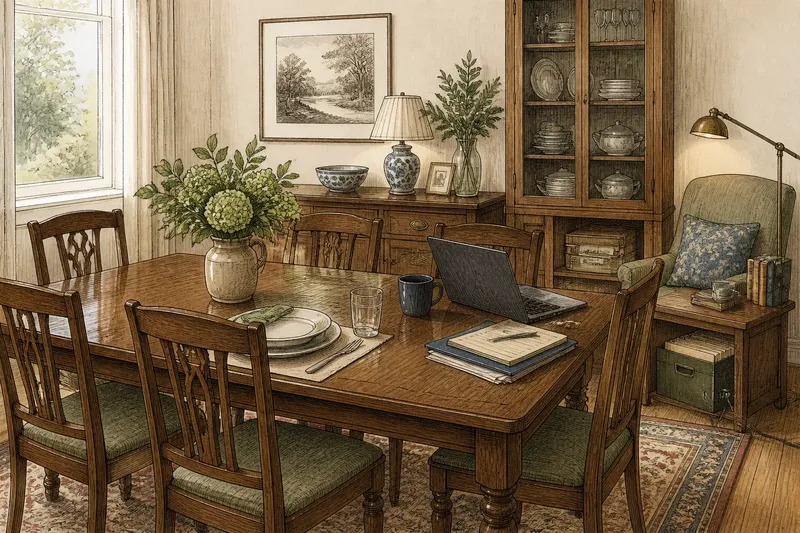
A dining table once set for a Sunday meal may sit clear on Monday, then collect a laptop and mail by Tuesday evening. The history of the separate dining room is visible in those small shifts: the room’s purpose has changed as households have adapted their homes to changing habits and expectations.
There was never one dining-room arrangement shared by every household. The room’s form depended on the home, its residents, and the way meals were organized. Looking at the changes in sequence helps explain why some people still value a dedicated dining room while others prefer a space that takes on more than one role.
The separate dining room marked a distinct household activity
In homes with a room set aside for dining, its furnishings often centered on a table, chairs, and storage for dishes or linens. Keeping meals in a separate room gave them a defined setting, away from cooking and other activity. A sideboard or cabinet could keep serving items close at hand, while the table remained available for eating together.
This arrangement also reflected the home’s physical layout. A household with enough rooms could assign one to dining, while a smaller home might use a kitchen table for meals and other tasks. The separate room was not simply a furnishing choice; it depended on available space and on what residents wanted to keep apart.
As a plain analogy, a room with a specific job is like a coat hook by the door: its purpose is immediately clear, and it keeps one everyday activity from spreading elsewhere. That clarity can be useful, but it also means the room may have fewer jobs to do.
Changing expectations gave dining rooms more than one role
Over time, some households began using dining rooms for activities between meals, such as paperwork, hobbies, or children’s projects. That shift did not happen in the same way everywhere. It is more accurate to describe it as a range of household choices than as a single historical change: some rooms stayed meal-focused, some acquired a second use, and some became shared spaces connected to kitchens or living rooms.
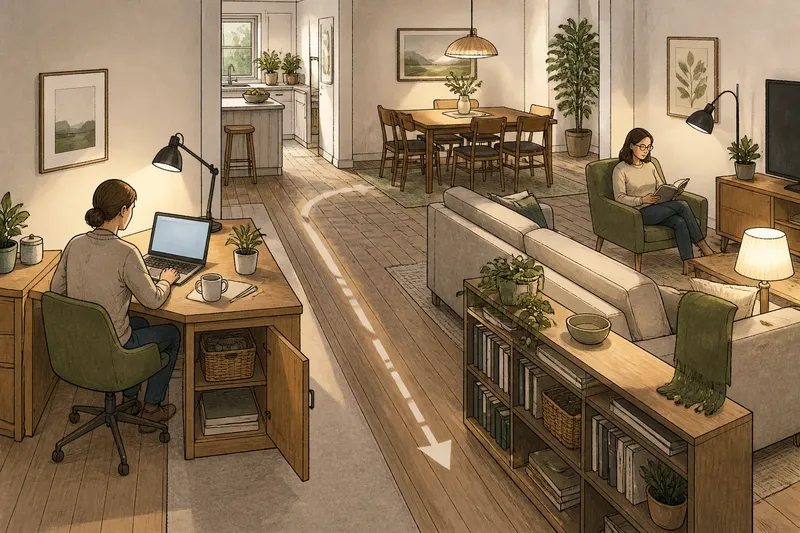
Changes in home design also affected the room’s boundaries. In some layouts, dining areas became part of a larger kitchen or living space; in others, a dining room remained separate but was furnished for more casual use. The distinction between separate and open-plan dining is therefore about more than walls. It also concerns sound, visual privacy, and whether residents want meal time to feel distinct from other activities.
These changes did not make the dedicated dining room obsolete. A distinct room can still give residents a place to gather without work materials or household projects competing for attention. A room used for several purposes can be equally intentional if its arrangement suits the people who live there.
Three arrangements reflect different priorities
A room reserved for meals
A meal-focused dining room keeps the table ready for eating and makes the room’s purpose easy to understand. It can suit households that value a calm setting for meals or want to host without clearing other work first. The tradeoff is that the room may be quiet between meals, and its space is committed to a narrower role.
A room shared across activities
A flexible dining room can support meals and other activities, such as drawing or occasional paperwork. It makes sense when a shared table is useful and the room can be reset without much effort. Its success depends on whether supplies have a place to go and whether the table is available when someone wants to eat.
A dining room with one defined second use
A middle arrangement keeps dining as the room’s main purpose while making room for one planned activity. A reading chair and lamp could occupy a corner, for example, or a small cabinet could hold materials for occasional paperwork. The limit matters: choosing one compatible second use helps prevent the room from becoming a catchall.
How can the room’s history inform a current choice?
Why did some homes have separate dining rooms?
A separate room gave meals a distinct setting and allowed dining furniture and serving items to stay in place. Whether a home had one depended on its layout and on how residents wanted to organize shared meals.
Did dining rooms always serve only meals?
No single pattern applied to every household. Some dining rooms were strongly centered on meals, while others also hosted occasional work, hobbies, or household tasks.
What changed when dining areas became more open?
When dining areas connected with kitchens or living rooms, activities could share space more easily, but sounds and sights could also travel between them. Residents may value that connection or prefer a separate room that offers more distinction.
Can a separate dining room still feel casual?
Yes. Comfortable chairs, everyday dishes, and a durable table can make a distinct dining room feel informal. Separation describes the room’s layout, not a requirement for special-occasion behavior.
A worked example shows how history can guide a decision
Say a household has a separate dining room, a table used for evening meals, and a small cabinet with an empty shelf. One resident occasionally handles paperwork at the table, while the rest of the household wants the table clear for dinner. The household first identifies the meal as the room’s main purpose, then places a file box and a laptop charger on the cabinet’s empty shelf. The resident uses them for paperwork and returns the papers and charger to the box and shelf afterward. The observable result is a clear table for dinner and a defined place for the occasional work materials. If the papers no longer fit in the box, the household can decide whether to move that work elsewhere or accept a room with a broader shared purpose.
Use these observations to choose what the room should protect
Look at what happens in the room on ordinary days, not only at how it looks when unused. Each observation points to a decision and an alternative:
- Meal readiness: If residents often want the table clear without moving another activity, keep the room meal-focused; if that is not a priority, consider a shared use.
- Room connection: If kitchen or living-room noise makes meals difficult, favor a separate room; if residents prefer to stay connected, consider dining near those spaces.
- Materials: If paperwork or hobby supplies fit in a nearby cabinet, assign them a contained second use; if they need to remain spread out, use another surface or keep the dining room dedicated.
- Reset effort: If clearing the table is a recurring irritation, avoid a second use that requires frequent sorting; if clearing is straightforward, a flexible arrangement may suit the room.
- Quiet between meals: If residents value an uncluttered place to gather, preserve the dining room’s distinct role; if they need a shared activity area more, give the room a defined additional use.
- Available space: If the home has another suitable work or hobby area, keep dining separate if that is preferred; if it does not, consider one compatible second purpose.
These decisions are not permanent. A dining room can stay distinct while household routines remain suited to that arrangement, then take on a defined additional role if residents’ needs change. The historical thread is not a march toward one ideal layout; it is the continuing choice of what a room should make possible.
The history of the separate dining room offers a useful question for any household: which parts of a meal should be protected from other activity, and which can comfortably share space? Answering that question before moving furniture helps make the room’s boundaries deliberate, whether its table is reserved for dinner or used for more across the day.